With a cataract, the lens inside the eye turns cloudy. What you see looks as if through a misted window: duller, less colourful, with strong glare when light comes towards you. This happens slowly, often over years, which is why many people notice it late.
A cataract is not dangerous and not an emergency. From a certain age it is part of the normal course of things. And it is the one clouding in the eye that can be fully corrected: after surgery, vision is clear again in the great majority of cases.
What happens with us and what happens at the hospital
The assessment, the advice and the check-ups before and after surgery take place in our practice. The operation itself is done at a hospital, and you choose which one. If the lens capsule clouds over later (after-cataract), we treat that in the practice with a laser.
How do I know I have a cataract?
- Everything looks dull, milky or as if behind a veil.
- Colours look paler, white looks yellowish.
- Strong glare, especially when driving at night or in low sun.
- You need more and more light to read.
- Your glasses need changing noticeably often.
- Some people see double outlines with one eye from time to time.
One point that surprises many people: some can read better again for a while, because the clouding changes the focusing power of the lens. That is not an improvement but an intermediate stage.
What causes a cataract?
In the vast majority of cases it is age. The proteins in the lens change over the years and the lens loses its clarity. From about 60, a large share of people have early changes, many of them without any symptoms.
It can develop faster with diabetes, after long-term cortisone treatment, after an eye injury or eye surgery, with strong short-sightedness and after years of intense UV exposure without sunglasses. Congenital forms in children are rare.
What happens at the examination?
The examination is painless and takes about half an hour, depending on what is needed.
Visual acuity
We measure how well you actually see, at distance and close up. This is also the value that later shows whether surgery has helped, and by how much.
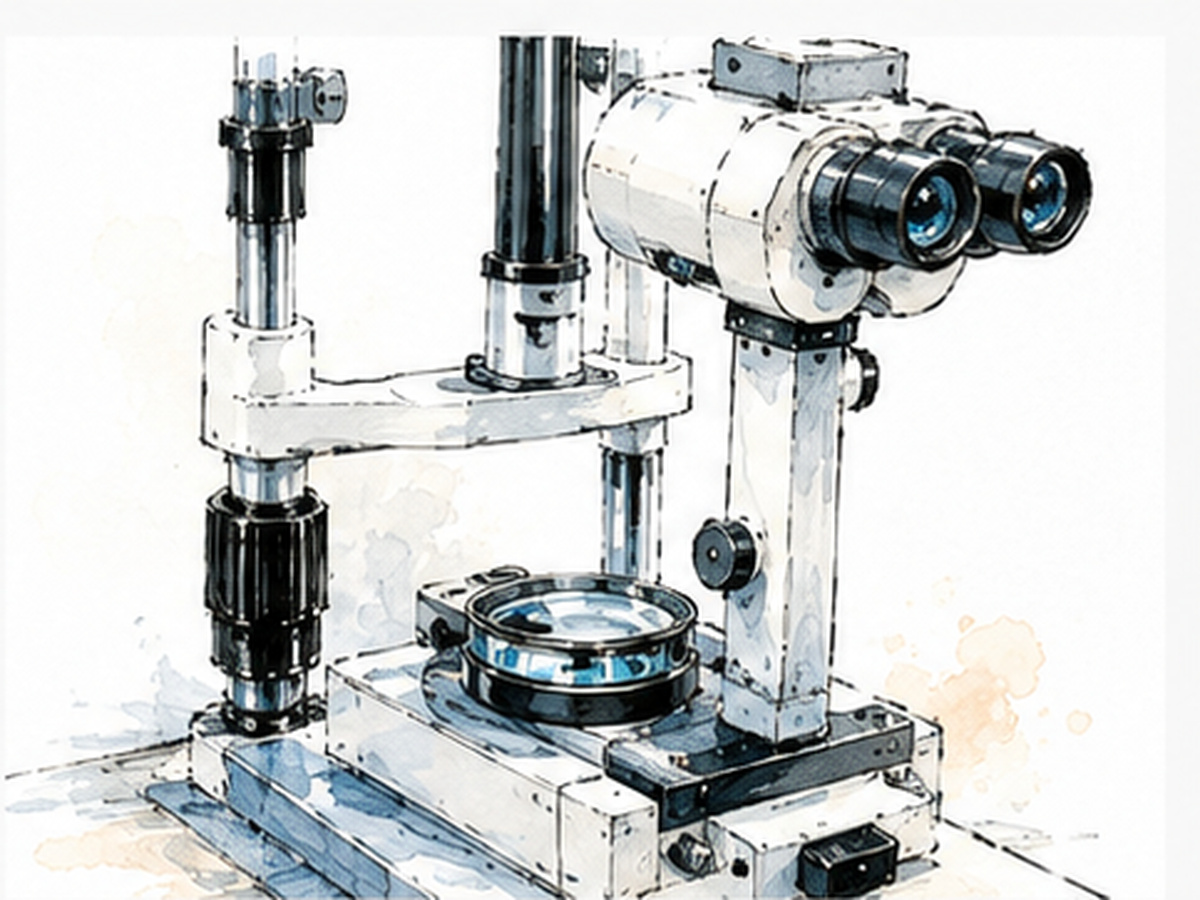
The lens under high magnification (slit lamp)
Under high magnification we see where the lens is cloudy and how much. For this we usually dilate the pupil with drops, so that the whole width of the lens can be assessed.
The rest of the eye
This is the real purpose of the appointment. If the optic nerve or the retina are affected as well, a new lens will do less than one would expect. Only when we know this can we tell you what you can realistically expect after surgery.
After the dilating drops you will be sensitive to light for a few hours and close-up vision will be blurred. You cannot drive during that time, so please plan for it or bring sunglasses.
When should a cataract be operated on?
Not according to a measurement, but according to your everyday life. The deciding question is: does your vision bother you in what you do every day?
Someone who drives a lot at night often reaches that point earlier than someone who is mostly at home. Others wait a long time until they realise they have given up hobbies. There is no medical reason to hold out as long as possible. And there is equally no need to operate just because clouding is visible.
It used to be said that a cataract had to be “ripe” first. That has not been true for a long time. A very hard, far advanced lens is in fact more demanding to operate on.
How does it work, step by step?
From the first assessment to your new glasses takes a few weeks. Here are the individual steps.
Advice and assessment
In our practiceWe examine the eye fully and clarify whether surgery makes sense at all. That includes checking whether the optic nerve and retina are healthy, because that determines how much a new lens will really achieve. In this appointment we also discuss which type of artificial lens could suit you, so that you know what it is about when you get to the hospital.
As soon as your surgery date is fixed, please let us know straight away. We will then reserve your check-up appointment for afterwards.
The operation
At the hospitalBefore the procedure the eye is measured so that the artificial lens fits you. Measurements, consent discussion, choice of lens and the operation itself are all handled by the hospital.
During the operation the cloudy lens is removed and replaced with a clear artificial lens. The procedure usually takes around twenty minutes and is done as day surgery, so without an overnight stay. The eye is numbed with drops; a general anaesthetic is not normally needed. You are awake and see light and movement, but nothing alarming.
The first weeks
Check-ups in our practiceYou use eye drops yourself for a few weeks, and we check how the eye is healing. The first check-up is usually due shortly after the operation.
Many people notice a clear difference the very next day. It takes a few weeks until vision has finally settled.
Afterwards: no rubbing, no pressing on the eye, no swimming pool or sauna for a while, and go easy on heavy lifting. You will be given the exact instructions in writing, as they depend on how things go.
The second eye
At the hospitalOnly one eye is operated on at a time. The second follows later, usually after a few weeks, once the first is stable.
New glasses
In our practiceNew glasses are only prescribed once vision has settled. Before that the values are still changing, and glasses fitted earlier would soon be wrong again.
Please book the check-up in good time
The check-up after surgery needs to be arranged early, ideally as soon as the surgery date is fixed. At short notice our appointments are often taken, and this check-up should not be postponed.
Simply call or write to us as soon as you know the date.
You choose where the operation is done. We do not operate ourselves and are not tied to any particular hospital. We issue the referral, talk through what matters, and take care of the check-ups before and after.
Which artificial lens is the right one?
This is the question with the most to decide, and it is often dealt with too briefly. The lens is chosen and billed at the hospital. But we go through the options with you beforehand, so that you do not hear about them there for the first time and can decide calmly.
The standard lens
It has a fixed focus, usually set for distance. You see sharply into the distance and need glasses for reading. This lens is medically fully adequate and is covered by public health insurance. For most people it is a good choice.
Premium lenses
There are lenses that correct astigmatism, and lenses that focus at several distances at once, so that you can often manage without glasses in everyday life. These lenses are private services.
To be honest about it: lenses for several distances have a price that is not only counted in euros. Some people see rings or haze around lights at night, and contrast at dusk can be poorer. If you drive a lot at night, you are often better served by a standard lens and reading glasses. That belongs in the conversation before you decide.
What is an after-cataract?
In some people, months or years after surgery, the thin capsule that holds the artificial lens turns cloudy. Vision then slowly gets worse again, much as before. Many think the cataract has come back. It has not.
An after-cataract is treated with a laser. This takes a few minutes, is done in our practice, is painless and as a rule only needs to be done once. More on our page about laser treatments.
What does it cost?
Cataract: assessment and treatment
Covered by public insurance
- Examination and advicee-card
- Surgery with standard lense-card
- Check-ups after surgerye-card
- Laser for after-cataract[[ public or private? ]]
Private, through the hospital
- Lens correcting astigmatism[[ Price ]]
- Lens for several distances[[ Price ]]
Measurements, surgery and the artificial lens are billed by the hospital, not by us. Surcharges for premium lenses arise there and apply per eye. The hospital will tell you exactly what to expect; in the advice appointment we tell you roughly what to reckon with.
“e-card” means the service is covered if you are insured with an Austrian public health fund. If you are privately or internationally insured, see Insurance and costs.
UNIQA LARA partner
Our practice is a LARA partner of UNIQA. Depending on your policy, outpatient services can be billed directly to UNIQA, so you do not have to pay upfront.
If you have UNIQA insurance, please use our English request form rather than the online booking and choose “UNIQA with LARA card”, so that we can prepare the billing.
Frequently asked questions
Can a cataract go away by itself?
No. A cloudy lens does not become clear again. There are no drops, no tablets and no food supplements that reverse it. Anyone who promises you that is selling you something.
Do I need a general anaesthetic for the operation?
As a rule, no. Numbing drops are enough. If someone is very anxious or cannot lie still, there are other options, which are discussed beforehand.
Will I see without glasses afterwards?
With a standard lens you see sharply into the distance and need glasses for reading. Managing entirely without glasses is possible with premium lenses, but not guaranteed and comes with the trade-offs described above. Discuss this at the hospital; we prepare you for it in the advice appointment.
I also have glaucoma. Is surgery still possible?
Yes, in most cases. But the expectation is different: the lens becomes clear, yet an optic nerve that is already damaged does not improve. How much you see afterwards depends on both. More about glaucoma.
How long do I have to wait for an appointment?
For the advice appointment it depends on how busy we currently are. Because a cataract is not an emergency, some waiting time is not a problem. If your vision gets worse suddenly, however, that is a different matter. Please contact us straight away.
More services
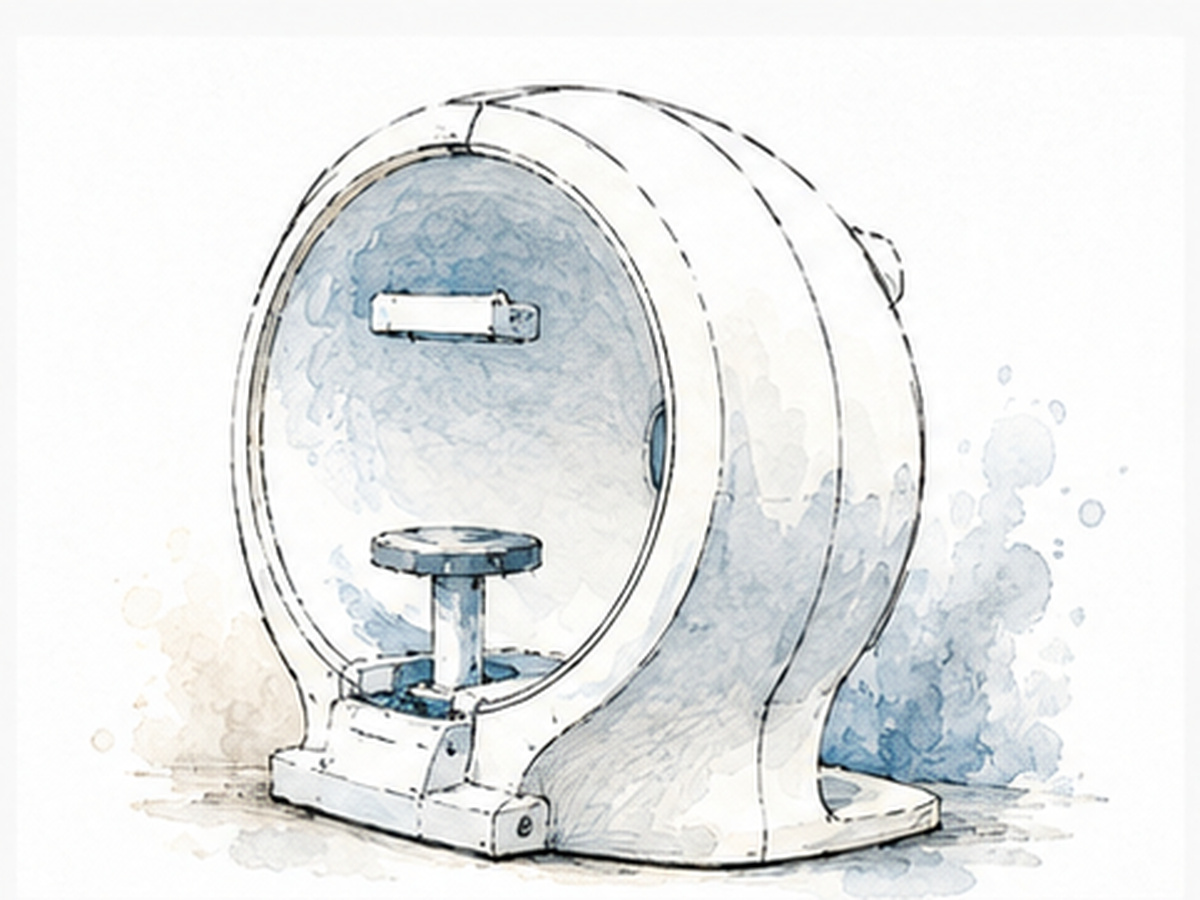
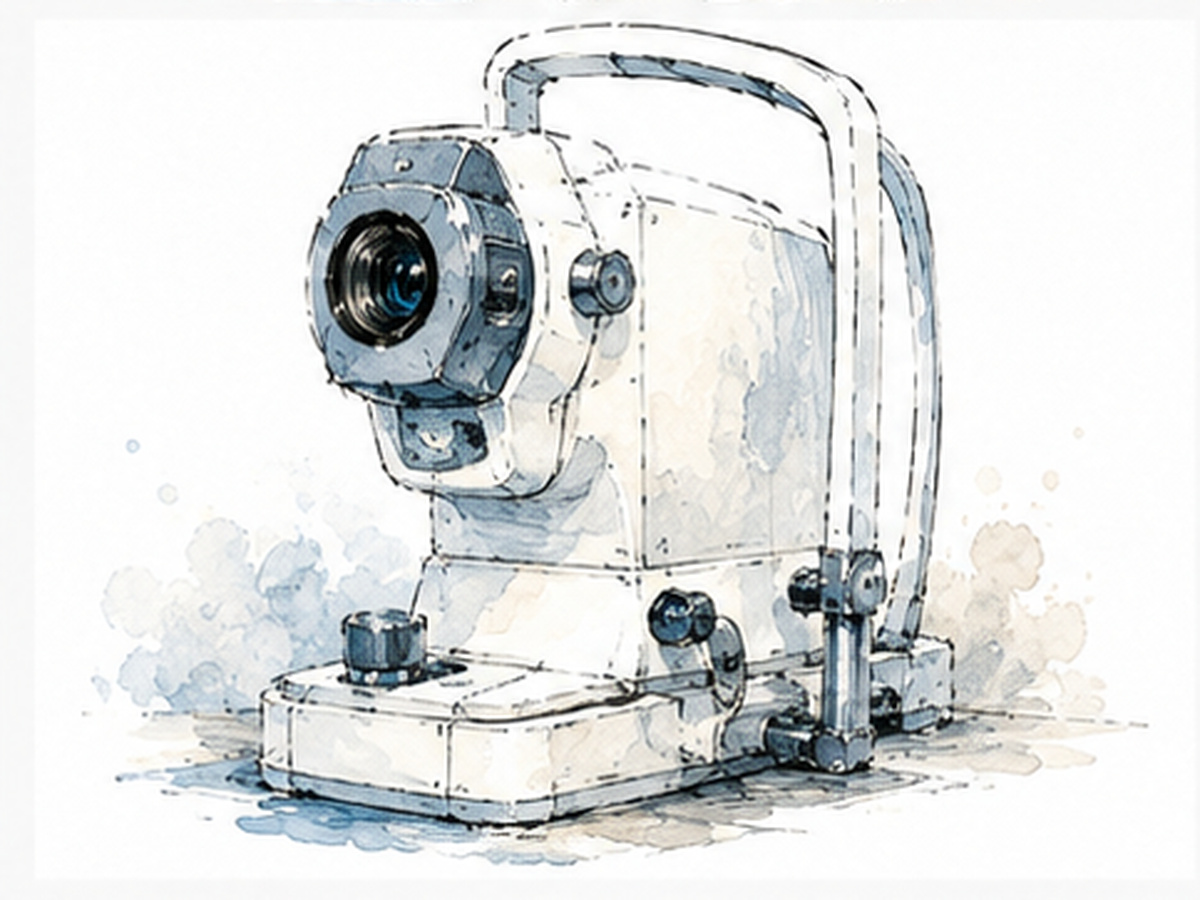
Arrange an advice appointment
We have a dedicated advice appointment for cataract. We examine the eye fully and clarify with you whether and when surgery makes sense.
Request an appointment in English →
In the form, choose the topic “Cataract”. The online booking system is in German, which is why we ask English-speaking patients to use the form.
By phone
The phone is staffed at the times below. These are not the opening hours of the practice.
| Monday | 11:30–14:00 & 16:00–19:00 |
| Tue & Thu | 09:00–10:30 & 11:30–13:00 |
| Friday | 09:30–12:30 & 14:00–16:00 |
Phone +43 1 909 22 22
Email anmeldung@schild-burggasser.at
Ketzergasse 51, ground floor, 1230 Vienna, step-free access · Insurance and costs →