What we offer, and what each appointment involves. For cataract, glaucoma, laser treatments and contact lenses there is a detailed page in English, with the steps involved and what is covered by public insurance or charged privately.
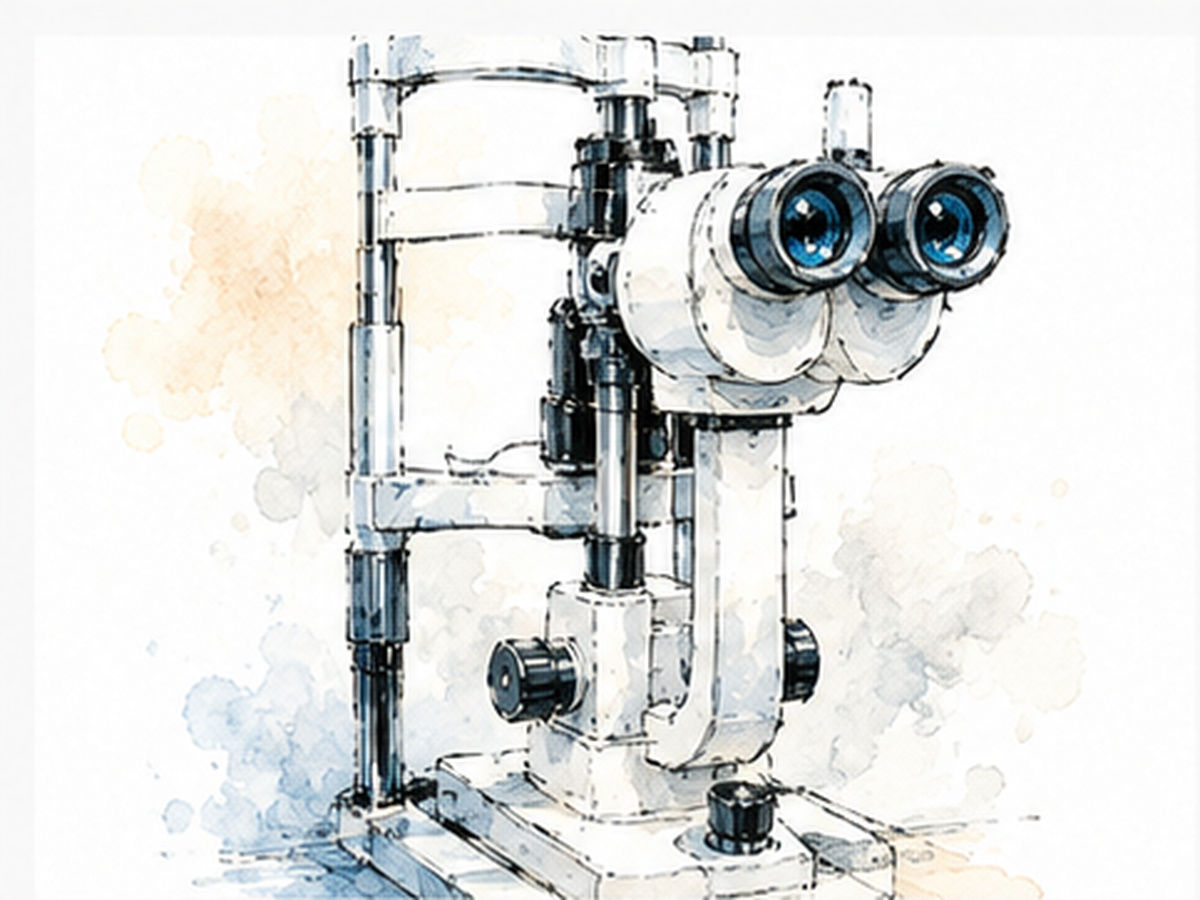 Cataract
Assessment, advice and check-ups around surgery.
Cataract
Assessment, advice and check-ups around surgery.
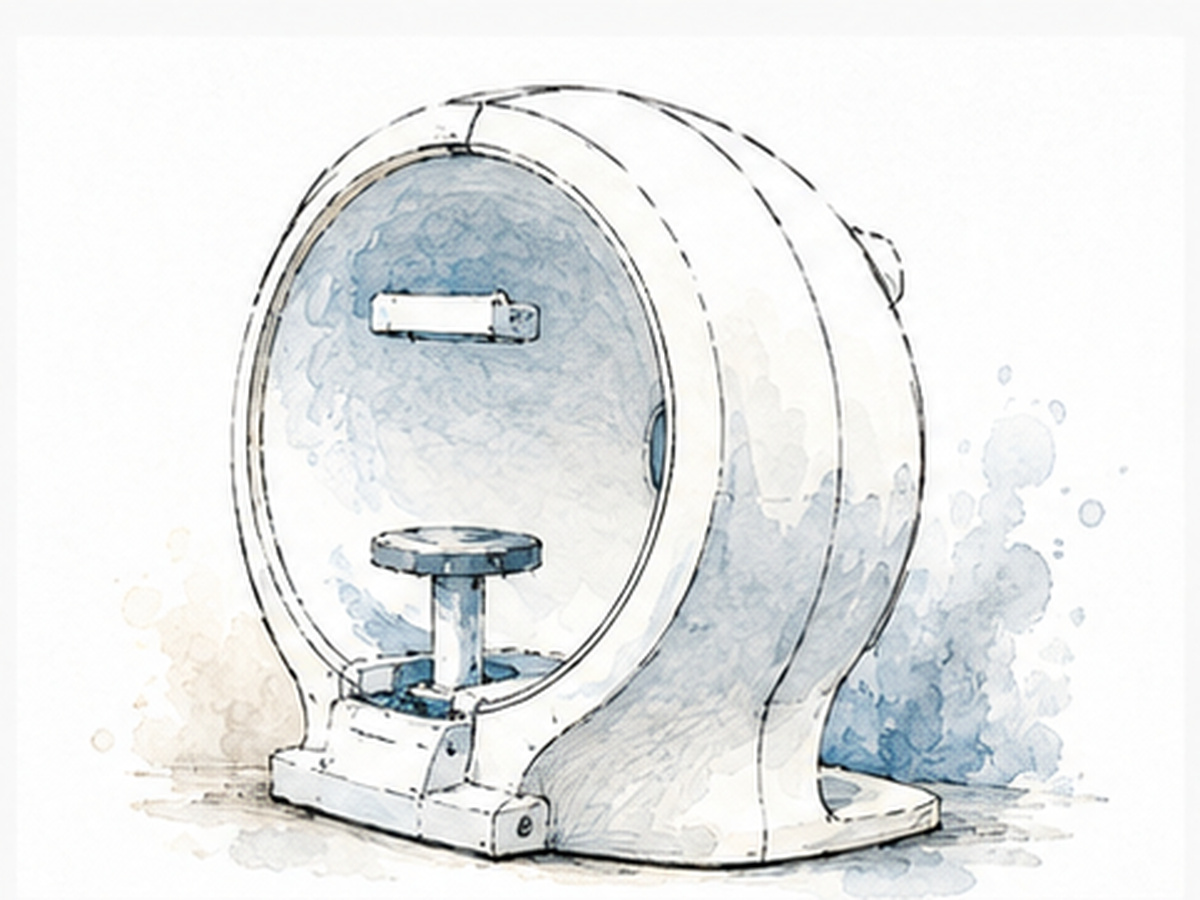 Glaucoma
Eye pressure and visual field, drops or laser.
Glaucoma
Eye pressure and visual field, drops or laser.
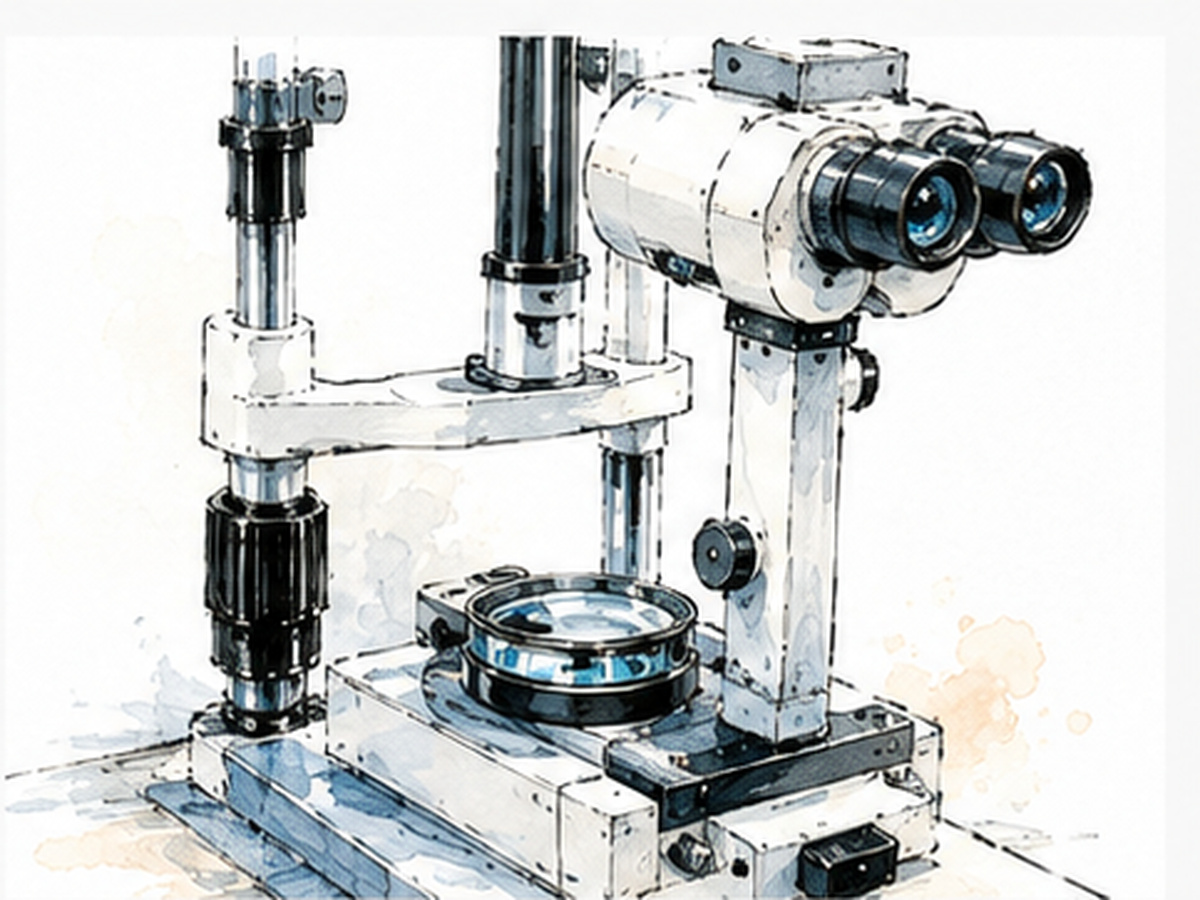 Laser treatments
After-cataract, retina and narrow drainage angle.
Laser treatments
After-cataract, retina and narrow drainage angle.
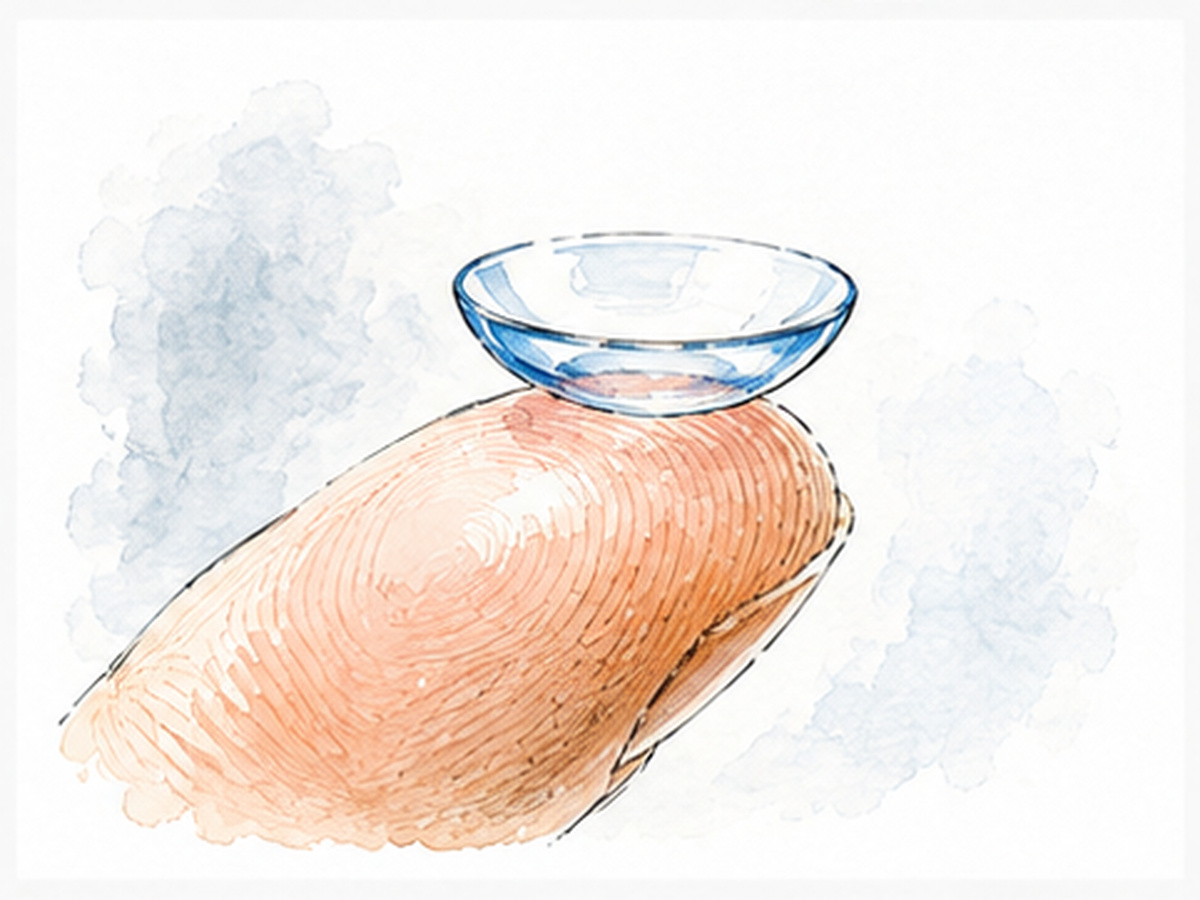 Contact lenses
Fitting and check-ups, also for dry eyes.
Contact lenses
Fitting and check-ups, also for dry eyes.
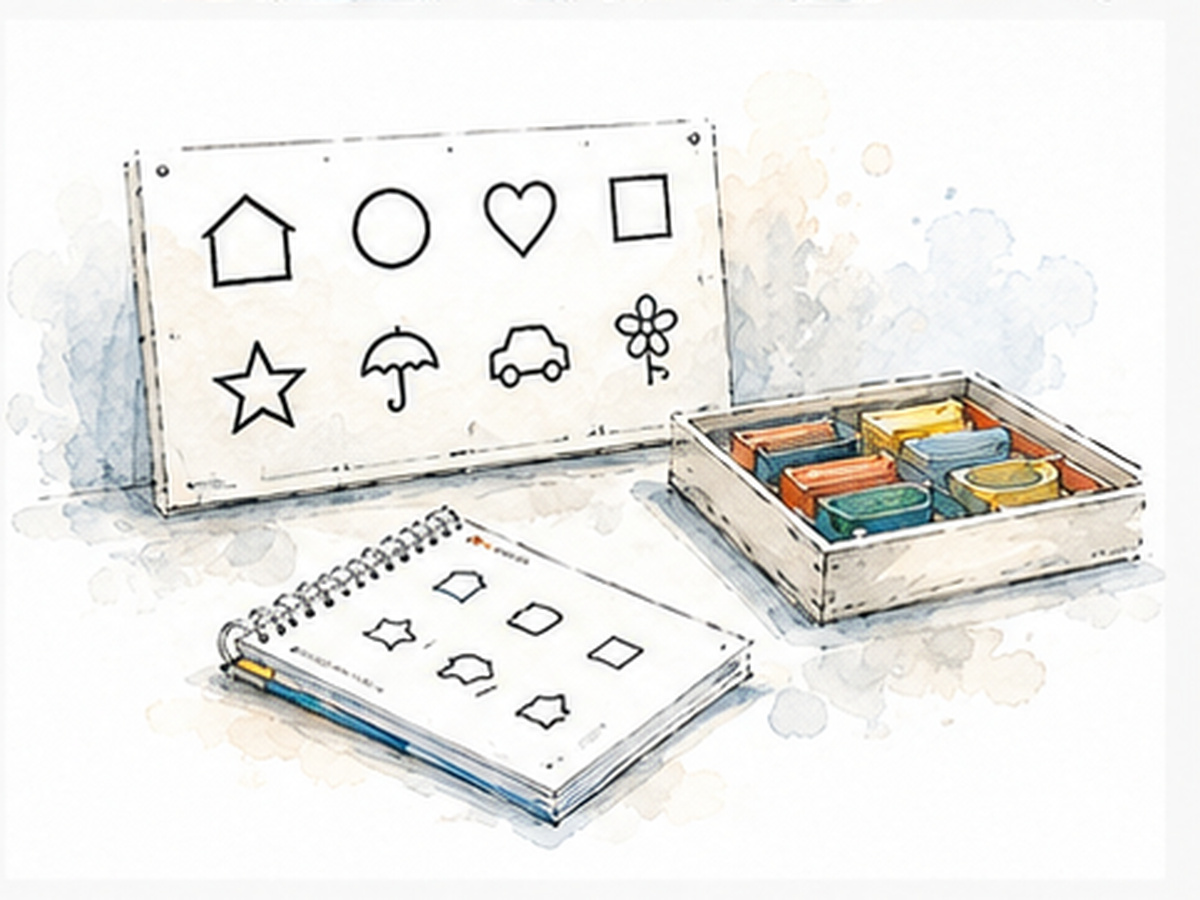 Children
Eltern-Kind-Pass checks, squint and short-sightedness.
Children
Eltern-Kind-Pass checks, squint and short-sightedness.
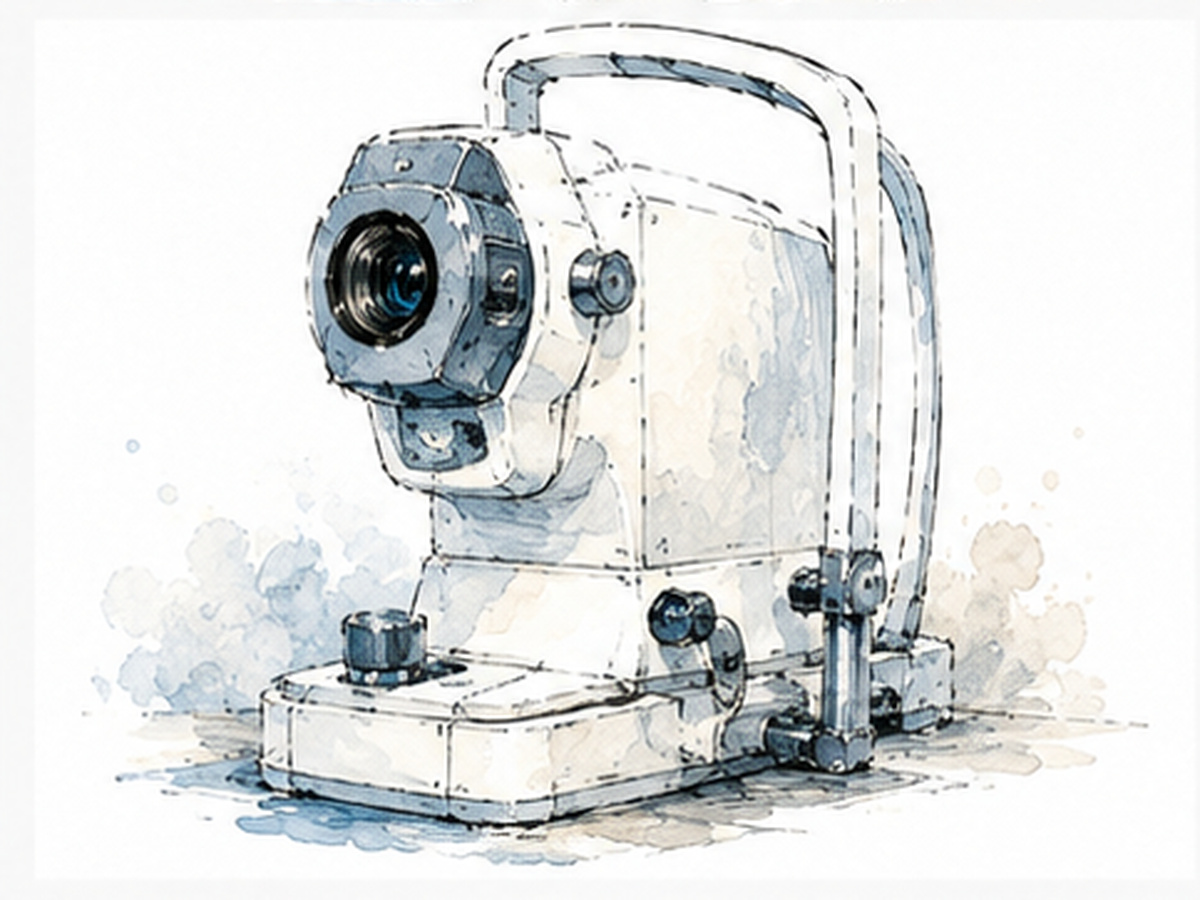 Eye examinations
Vision, eye pressure and retina in one appointment.
Eye examinations
Vision, eye pressure and retina in one appointment.
Eye examinations and preventive care
A routine check covers visual acuity, eye pressure and an examination of the retina. Most eye conditions begin without symptoms, which is why we recommend a yearly check from the age of 40, and yearly from any age if you have diabetes or high blood pressure.
For a detailed look at the retina we usually dilate the pupils with drops. You will be sensitive to light for several hours afterwards and unable to drive, so plan for that or bring sunglasses.
Glaucoma
Glaucoma damages the optic nerve, usually without pain and without early symptoms. By the time it is noticeable, nerve fibres have already been lost and they do not come back. This is the main reason to have your eyes checked while nothing appears to be wrong.
We examine eye pressure, corneal thickness, the optic nerve using OCT, and the visual field. A normal pressure reading does not rule out glaucoma, which is why we look at the nerve itself.
Treatment is usually eye drops. An alternative is SLT laser treatment, which improves drainage inside the eye and can reduce or temporarily replace drops. It takes a few minutes per eye and is not painful.
More about glaucoma: examinations, SLT laser and costs →
Cataract
A cataract is a clouding of the lens inside the eye. Vision becomes dull, colours fade and headlights glare at night. It develops slowly and it is very treatable.
We examine the eye fully and clarify whether surgery makes sense at this point. We also go through the lens options with you. The standard lens gives sharp distance vision and you will need reading glasses. Lenses that correct astigmatism or cover several distances involve trade-offs worth discussing before you decide.
The operation itself takes place at a hospital of your choice. Measurements, the final choice of lens and the surgery are handled and billed there. The assessment, the advice and the check-ups before and after surgery take place with us. If the lens capsule clouds over later, we treat this in the practice with a laser.
More about cataract: when to operate, lens options and costs →
Laser treatments
We carry out laser treatments in the practice: for clouding of the lens capsule after cataract surgery, for the retina in diabetes and circulation problems, for a narrow drainage angle, and SLT for glaucoma. You go home the same day.
More about laser treatments: what to expect with each one →
Macular degeneration
Early detection and monitoring of age-related macular degeneration and of the juvenile form, Stargardt disease. We examine the centre of the retina with an OCT scan and follow the findings over time.
Contact lenses
Fitting and follow-up by an ophthalmologist rather than an optician means the health of the eye is assessed as well as the prescription. That matters for dry eyes, for irregular corneas and for keratoconus.
We fit soft lenses, rigid gas-permeable lenses, scleral lenses for difficult corneas and orthokeratology lenses worn overnight. Whichever you wear, please come for a check at least once a year, even when everything feels fine.
More about contact lenses: lens types, insurance and costs →
Children
Squint, lazy eye and short-sightedness are best treated early, and children rarely say that they see badly because they do not know what good vision looks like.
We carry out the eye examinations in the Austrian Eltern-Kind-Pass, formerly Mutter-Kind-Pass, which are also relevant for child benefit payments. Three orthoptists work in the practice.
More about children’s eye care →
Eye reports for driving licence, work and aviation
For a driving licence, including group 2 for lorries and buses, for certain professions and for aviation, we provide the ophthalmological report. The certificate itself is issued by another body: for driving licences by the public health officer (Amtsarzt) or a specially appointed doctor, in aviation by an aeromedical examiner recognised by Austro Control.
The eye report must not be older than six months at the time of the driving licence examination, so plan both together. Reports are charged privately, because they are not treatment. Please bring the form you were given, photo ID and your glasses or lenses as you actually use them.
Additional services
Because Dr. Schild-Burggasser is also a general practitioner, vaccinations and infusion therapies are available at the same practice. Note that yellow fever vaccination may only be given by authorised centres in Austria; we are not one, and we will point you to the official list.
UNIQA LARA partner
Our practice is a LARA partner of UNIQA. Depending on your policy, outpatient services can be billed directly to UNIQA, so you do not have to pay upfront.
If you have UNIQA insurance, please use our English request form rather than the online booking and choose “UNIQA with LARA card”, so that we can prepare the billing.
Not sure which appointment you need? Use our English request form and describe the problem in a sentence or two.
Phone +43 1 909 22 22 · Email anmeldung@schild-burggasser.at · Insurance and costs →